Figure and ground
If everything sits in the same plane, the line has no relief. Figure is what stays in front. Ground is what holds it and is not explained.
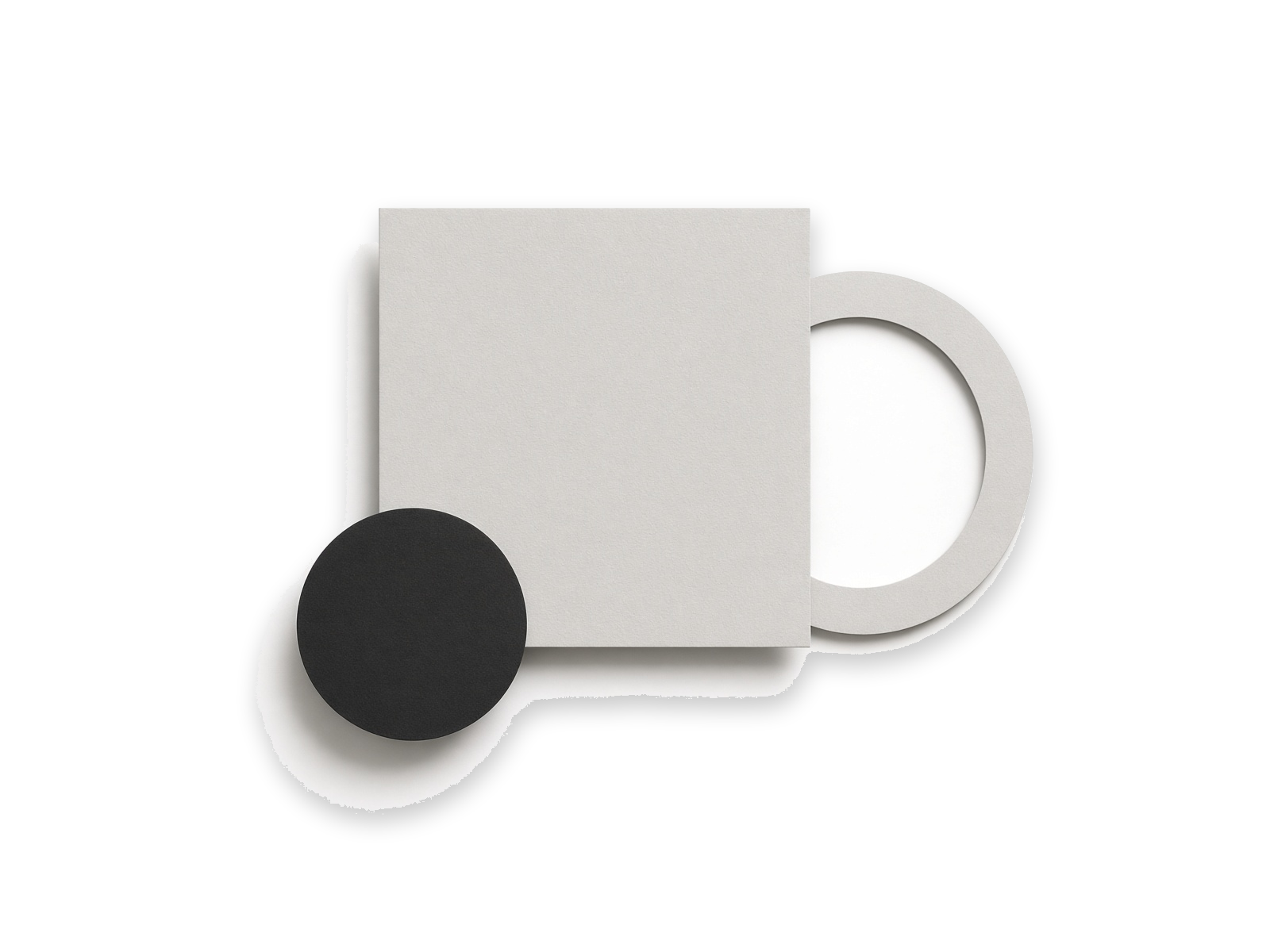
The cup is the figure. The dark circle is the ground.
Practice itResources
First, the cards. Visual resources for organizing the concepts. Below, three ways to look at a poem. If one of them serves, the workshop practices it on a text of yours.
Visual resources for organizing the concepts.


Figure and ground, the line break, analogy. They are not a class. Each one is practiced in a workshop.
If everything sits in the same plane, the line has no relief. Figure is what stays in front. Ground is what holds it and is not explained.
The cup is the figure. The dark circle is the ground.
Practice itA line can break before the sentence ends. That edge is a decision. The reader stops there, even if the sentence goes on.
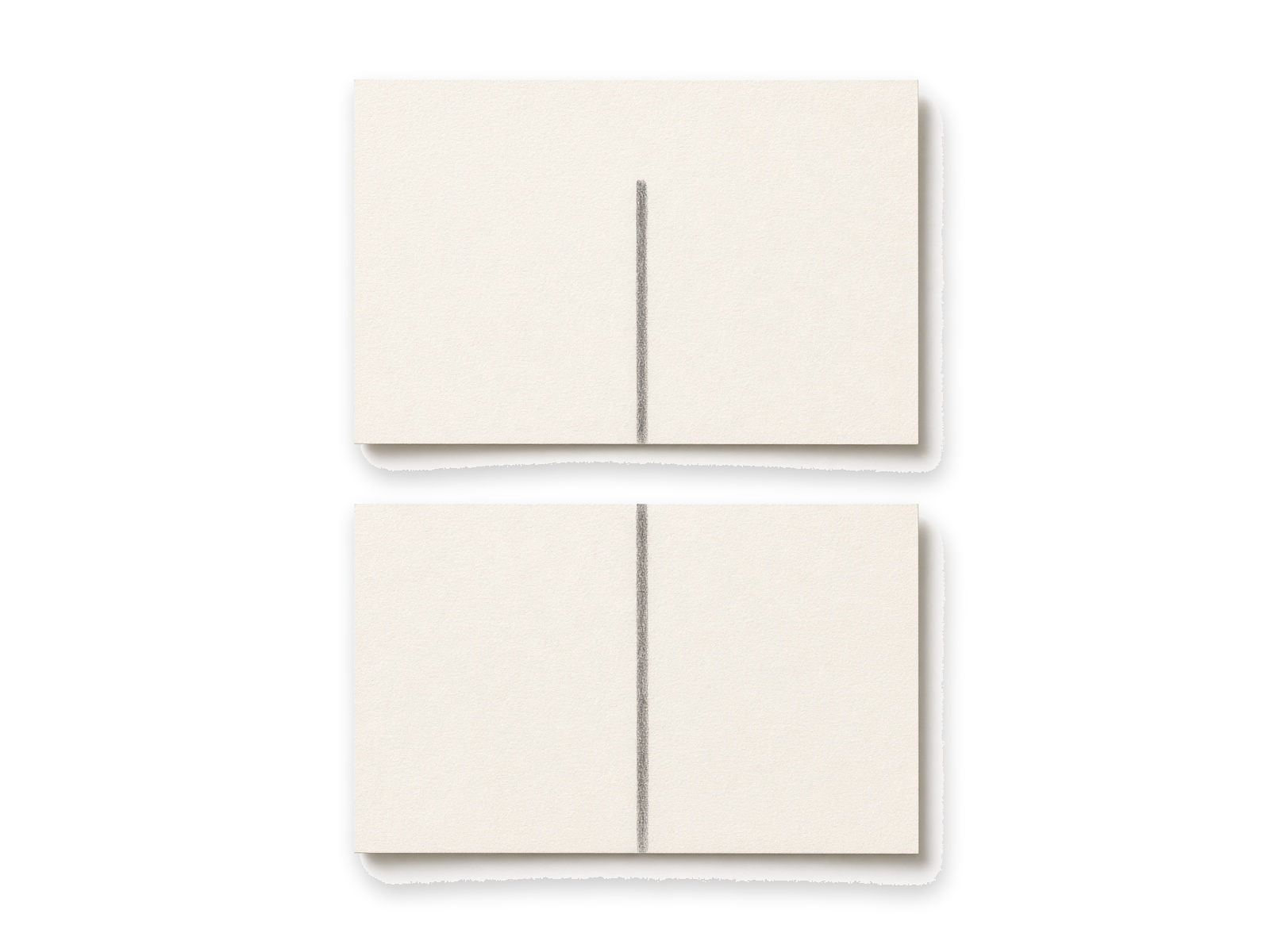
The line stops, and goes on below. That stop is the break.
Practice itTwo different things, joined at one point. If you can remove the link and the poem loses nothing, it was decoration.
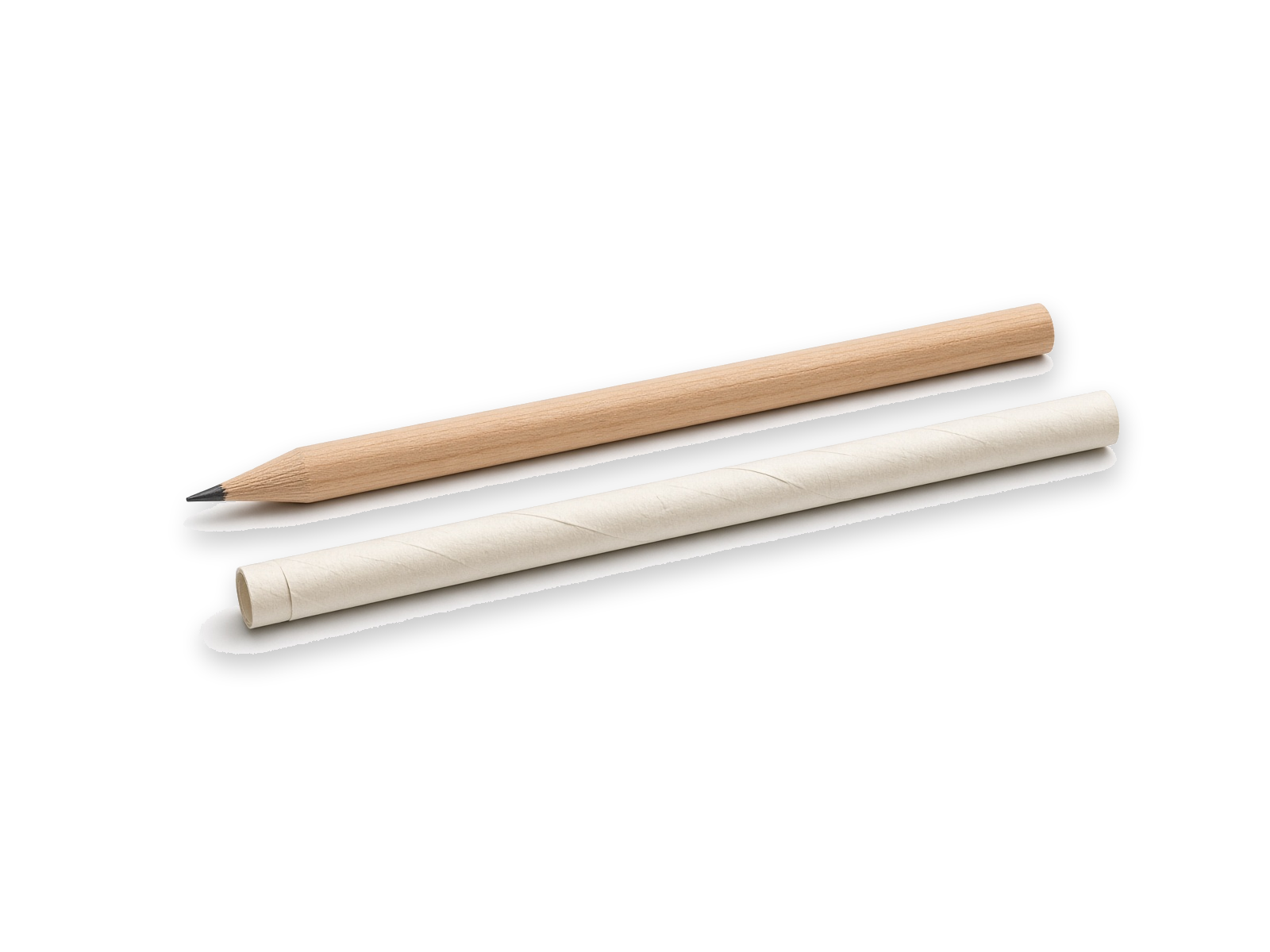
Two stones. The thread is the hinge. Without it, there is no analogy.
Practice itNotebookLM
This is a NotebookLM notebook, made with Gemini. A real lesson is transposed into teaching material: the text, the video, the images, and the concepts that were worked.
Open it and wander through it. You can see what the lab works on, and ask the notebook about what was said.
One poem, once. Not a class. You send the text. The marks come from the laboratory, not from a generic corrector.
In writing · USD 10
Your poem, and a proposed version, with the marks.
On video · USD 15
The same reading, on a video about that poem.
If you want both, ask for both.
The workshop and the mentorship are set out in Two ways of working.